
How Often Should a Child See a Pediatric Dentist for Checkups
Children's dental health requires consistent professional attention from specialists trained in pediatric oral care and child development, understanding young patients' unique needs. Many parents feel uncertain about when to start dental visits and how frequently children should see specialists for optimal care. Understanding recommended visit frequencies helps you establish routines that protect your child's oral health from infancy through adolescence effectively. The difference between children who develop healthy teeth and those facing extensive dental problems often comes down to early care. Learning what dental professionals recommend for pediatric checkup schedules empowers you to provide your child with the preventive care that lifelong health requires.
Starting Dental Visits by Age One
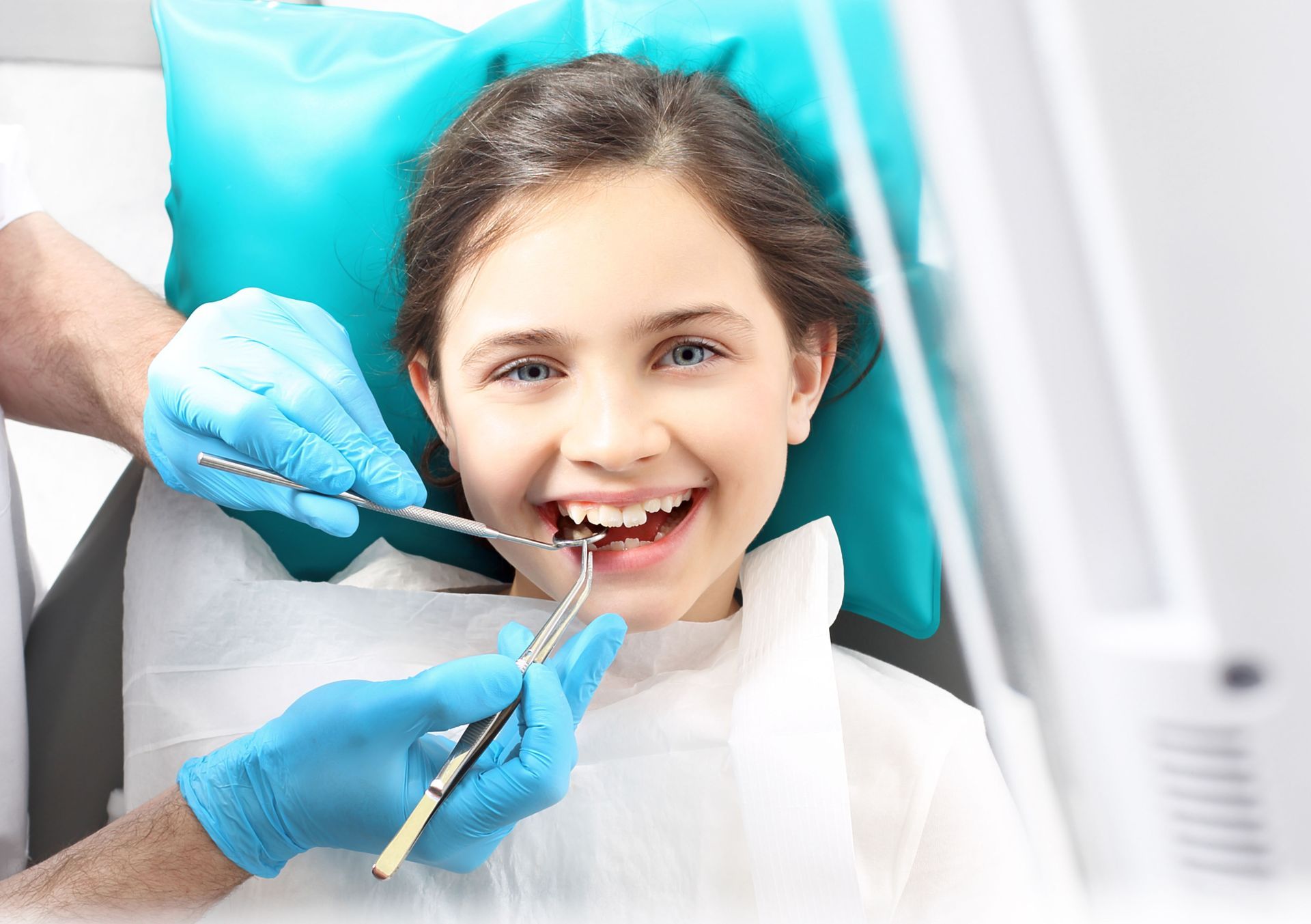
According to the Cleveland Clinic, your child should go to the dentist every 6 months for optimal oral health maintenance. Professional organizations recommend that first dental visits occur by a child's first birthday or when the first tooth emerges, whichever comes first. This early start allows specialists to assess development, guide oral care, and establish positive dental experiences before problems develop. The early intervention that infant visits provide prevents the fear and anxiety that can develop when first visits occur during emergencies. A qualified pediatric dentist evaluates infant oral development, checks for early childhood caries, and educates parents about proper cleaning, fluoride, and feeding practices. They establish baselines for future comparison, identify potential problems early, and create positive first impressions that reduce dental anxiety later. The relationship building that early visits provide creates comfort with dental care, making future appointments easier as children grow familiar.
Maintaining Twice-Yearly Routine Checkups
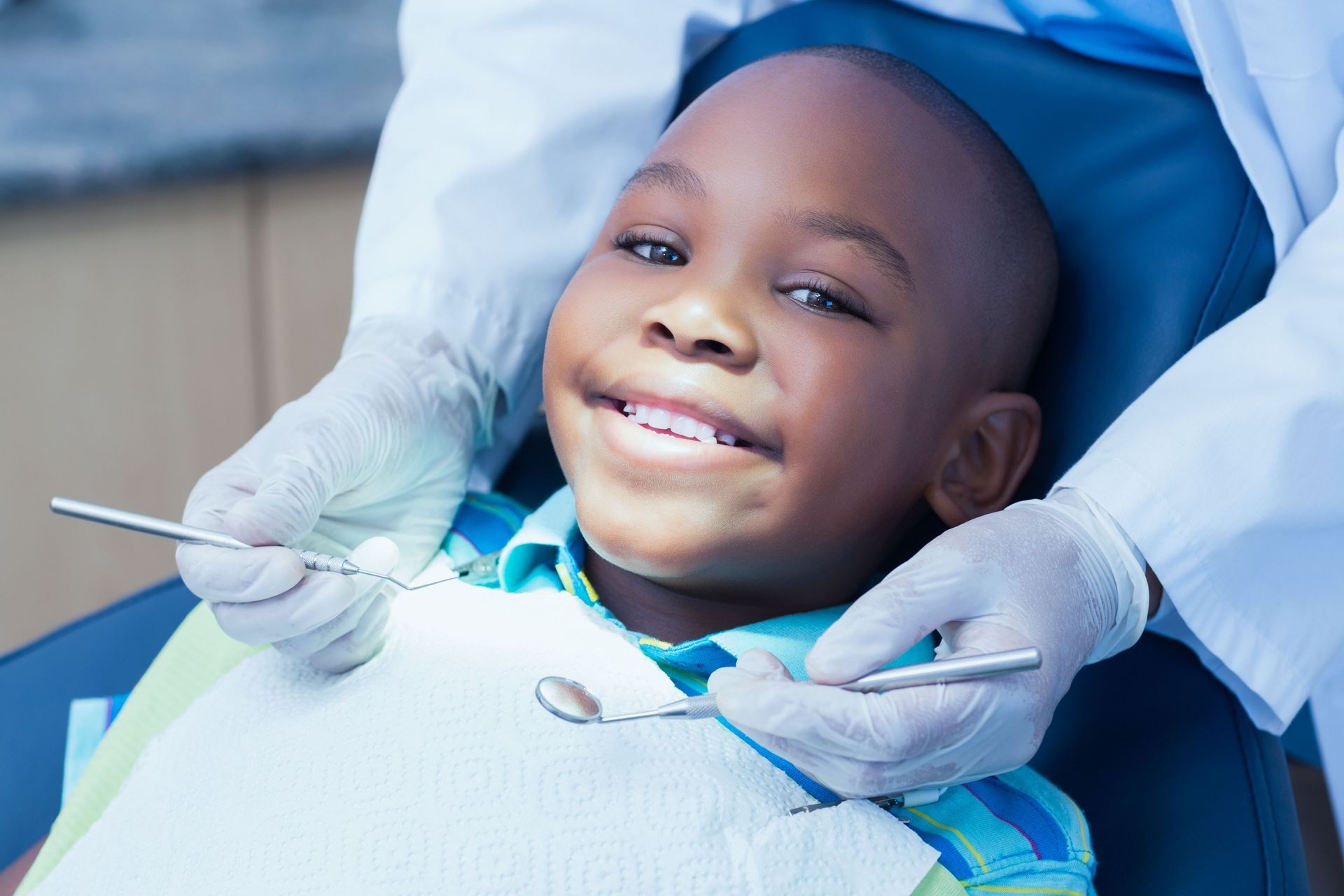
Standard recommendations suggest children visit dental specialists every six months for examinations, cleanings, and preventive treatments throughout childhood and adolescence. This semi-annual schedule allows monitoring of development, early cavity detection, and timely interventions before small problems become extensive, requiring complex treatment. The consistency that regular visits provide helps children accept dental care as a normal routine rather than frightening events occurring only when problems develop. Regular dentist appointments include thorough examinations, professional cleanings, fluoride treatments, and education about home care appropriate for developmental stages. Specialists track growth patterns, monitor permanent tooth eruption, and identify orthodontic concerns requiring early intervention or future treatment planning. The preventive focus that routine visits maintain catches problems early when treatments remain conservative, less expensive, and less traumatic than addressing advanced conditions.
Adjusting Frequency Based on Risk Factors
Children with high cavity risk, orthodontic appliances, medical conditions, or special needs may require more frequent visits than the standard twice-yearly schedule. These individual risk factors necessitate customized care schedules, ensuring adequate professional attention for specific situations requiring closer monitoring than typical patients. The personalized approach that risk assessment provides ensures children receive appropriate care frequencies matching their actual needs rather than generic schedules. Experienced pediatric dentist evaluations identify risk factors, including diet, oral hygiene, developmental issues, and family history, that increase cavity and disease susceptibility. They recommend appropriate visit frequencies based on individual assessments, explaining why some children need quarterly visits while others manage well with standard schedules. The customized scheduling they provide ensures high-risk children receive adequate attention, preventing the problems that standard intervals might miss in vulnerable patients.
Scheduling Additional Visits for Orthodontic Monitoring
Children undergoing orthodontic evaluation or treatment require more frequent visits for monitoring development, tracking tooth movement, and adjusting appliances throughout treatment courses. This increased frequency proves necessary for successful outcomes, as orthodontic progress requires regular professional oversight, ensuring treatments proceed as planned effectively. The monitoring that orthodontic care demands explains why children with braces or other appliances see specialists more often than those requiring only routine care. Orthodontically-focused pediatric dentist visits track jaw growth, monitor tooth eruption patterns, and identify ideal timing for interventions when treatments prove most effective. They coordinate with orthodontists when specialized treatment becomes necessary, ensuring comprehensive care that addresses both general dental health and alignment concerns. The developmental monitoring they provide identifies problems early, when interventions prove least invasive and most effective during optimal growth windows.
Addressing Emergency Visits Between Regular Appointments
Dental emergencies, including trauma, severe pain, infections, or broken teeth, require immediate attention beyond scheduled routine appointments throughout childhood when accidents occur. These urgent situations demand prompt professional care, preventing complications that delays would create through worsening conditions without timely intervention. The emergency protocols that pediatric practices maintain ensure children receive urgent care when unexpected problems develop between regular scheduled visits. Emergency pediatric services provide immediate care for trauma, pain, and infections that cannot wait for scheduled appointments without risking complications. They assess injuries, provide pain relief, address infections, and stabilize situations before definitive treatments can be scheduled when immediate resolution proves impossible. The emergency availability they maintain ensures children receive urgent care when accidents or acute conditions develop requiring immediate professional attention.
Establishing Positive Experiences Through Consistent Care
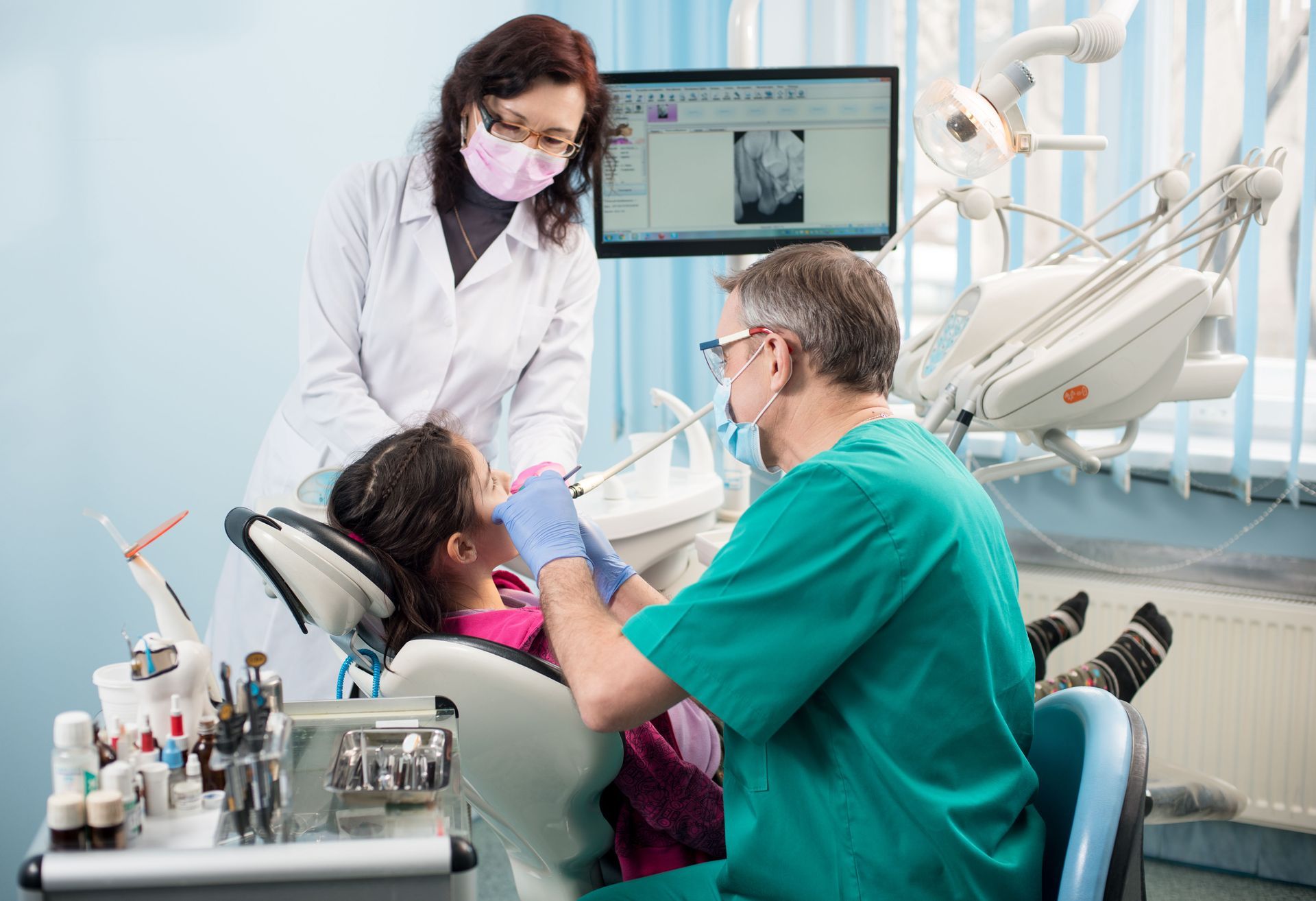
Regular visits familiarize children with dental environments, staff, and procedures, reducing anxiety through the predictability that consistency creates over time. This familiarity proves invaluable, as children comfortable with dental care cooperate better, experience less stress, and develop positive attitudes lasting into adulthood. The psychological benefits that regular exposure provides justify consistent visits beyond just the clinical care they deliver for oral health. Child-friendly pediatric dental offices create welcoming environments with age-appropriate explanations, gentle techniques, and patience that make visits positive rather than frightening. Specialists trained in child psychology and behavior management use techniques to reduce anxiety, build trust, and create cooperation throughout examinations and treatments. The positive experiences they cultivate through consistent, gentle care create lifetime dental health habits as comfortable children become adults who don't avoid care.
Monitoring Development and Eruption Patterns
Regular visits allow tracking of tooth eruption, jaw development, and oral growth patterns, identifying problems when interventions prove most effective during development. This developmental monitoring catches issues, including delayed eruption, crowding, bite problems, and growth abnormalities requiring attention or specialist referrals when appropriate. The growth tracking that consistent care provides identifies deviations from normal development when corrective interventions prove least invasive and most successful. Developmental dentist assessments track primary tooth loss, permanent tooth eruption, and jaw growth, ensuring development proceeds normally without problems requiring intervention. They identify crowding early, predict orthodontic needs, and time interventions optimally when growth allows for the most effective, conservative treatments rather than extensive corrections. The developmental expertise they bring ensures problems receive attention during optimal intervention windows when treatments prove most successful with minimal invasiveness.
Providing Age-Appropriate Preventive Care
Different ages require specific preventive measures, including fluoride treatments, sealants, and education appropriate for developmental stages throughout childhood and adolescence. These age-specific interventions protect teeth during vulnerable periods, with sealants preventing decay in newly erupted permanent molars, which are particularly susceptible to cavities. The preventive protocols that specialists employ change as children develop, ensuring care remains appropriate for current needs rather than generic approaches. Preventive pediatric dental care includes fluoride varnishes for young children, sealants for newly erupted molars, and education about diet, brushing, and flossing. Specialists time interventions optimally, applying sealants when teeth fully erupt, adjusting fluoride based on cavity risk, and educating appropriately for comprehension levels. The age-appropriate prevention they provide protects teeth during critical periods when interventions prove most effective in preventing the decay that vulnerable teeth develop.
Understanding recommended pediatric dental visit frequencies helps parents provide appropriate care, protecting children's oral health from infancy through adolescence effectively. The investment in consistent professional care delivers superior outcomes compared to irregular visits occurring only when problems develop, requiring treatment. Making informed decisions about dental care schedules ensures your child receives the expert attention that developing teeth require consistently. Whether you need pediatric services, Dr. David J. Martinez, DDS is a board-certified pediatric dentist, recognized as a top pediatric dentist, and maintains hospital privileges. For more information, contact us today!







Share On: