
9 Reasons a Visit to the Pediatric Dentist Is So Important
Maintaining healthy teeth and gums during childhood is essential for overall health, comfort, and development. Regular visits to a pediatric dentist help identify potential dental problems, establish preventive habits, and encourage positive experiences with professional care. Children's oral health needs change xas they grow, making consistent monitoring particularly important. From the appearance of the first tooth through adolescence, professional dental guidance supports healthy development and reduces the likelihood of complications. Understanding the benefits of routine appointments helps parents make informed decisions about their children's long-term oral health.
1. Detecting Dental Problems During Early Development
Children experience several important stages of dental development, including teething, losing primary teeth, and developing permanent teeth. A pediatric dentist monitors these changes to identify irregularities in tooth eruption, spacing, and jaw growth. Early examinations can reveal concerns that might otherwise remain unnoticed until symptoms develop.
Regular appointments also help identify cavities before extensive damage occurs. Tooth decay can develop quickly in young children, particularly when sugary foods, frequent snacking, or inconsistent brushing contribute to plaque accumulation. Detecting weakened enamel early allows dental professionals to recommend appropriate preventive measures or treatment.
Dental examinations may also reveal emerging bite problems, gum inflammation, or unusual tooth positioning. When necessary, diagnostic X-rays provide additional information about developing teeth and structures beneath the gums. Imaging is recommended according to each child's individual needs rather than automatically performed at every appointment.
2. Preventing Cavities Through Professional Dental Care
Preventive dentistry is one of the most valuable aspects of routine childhood dental appointments. Professional cleanings remove accumulated plaque and tartar that ordinary brushing cannot always eliminate. These services help protect tooth enamel and reduce the likelihood of gum irritation.
A pediatric dentist may recommend fluoride treatments to strengthen enamel and make teeth more resistant to decay. Dental sealants provide another protective option by covering the grooves of back teeth, where food particles and bacteria frequently accumulate.
Preventive recommendations are tailored to each child's age, cavity risk, dental development, and existing oral hygiene habits. Children with a history of tooth decay may benefit from additional monitoring or personalized care strategies. Addressing these concerns early can reduce the need for more complicated restorative procedures.
3. Teaching Proper Brushing and Flossing Techniques
Developing effective oral hygiene habits during childhood creates a foundation for maintaining healthy teeth throughout adulthood. Dental professionals demonstrate age-appropriate brushing techniques and explain how to clean areas that children frequently overlook.
Parents also receive guidance about supervising brushing, using appropriate amounts of fluoride toothpaste, and introducing flossing when neighboring teeth begin touching. Younger children generally require hands-on assistance until they develop sufficient coordination to clean their teeth effectively.
Regular appointments reinforce these lessons and allow families to discuss difficulties with daily routines. Encouraging children to participate actively in their dental care can build independence, responsibility, and confidence over time.
4. Encouraging Healthy Eating Habits for Strong Teeth
Nutrition plays an important role in childhood oral health. Frequent consumption of sugary beverages, sticky snacks, and highly processed foods can increase the risk of cavities. Bacteria in dental plaque produce acids when exposed to sugars, gradually weakening tooth enamel.
Dental professionals help families understand how meal timing, beverage choices, and snacking habits influence dental health. Drinking water, limiting frequent sugar exposure, and maintaining balanced meals can support stronger teeth.
Parents may also receive recommendations about transitioning away from bottles, avoiding prolonged exposure to sweetened drinks, and selecting age-appropriate snacks. These practical adjustments can improve oral hygiene while supporting healthier nutritional routines.
5. Creating Positive Experiences During Dental Appointments
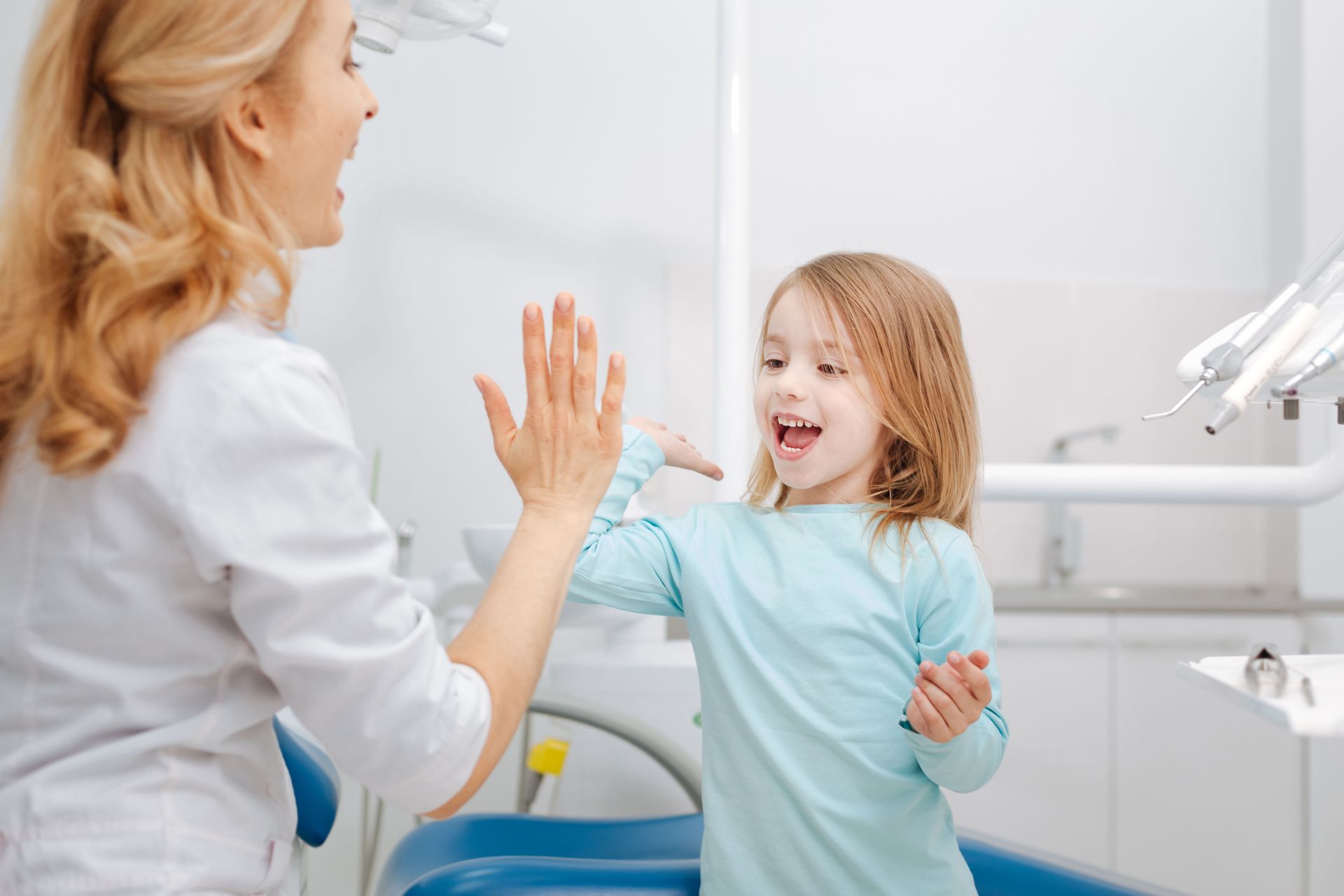
Early dental experiences can influence how children approach oral healthcare throughout their lives. Visiting a pediatric dentist regularly allows young patients to become familiar with dental equipment, examination procedures, and the professionals responsible for their care.
Child-friendly offices often feature welcoming decorations, age-appropriate explanations, and activities designed to reduce uncertainty. Dental teams may use gentle communication, demonstrations, distraction techniques, and positive reinforcement to encourage cooperation.
Establishing trust is especially important for children who experience anxiety or discomfort in unfamiliar environments. Consistent appointments provide opportunities to develop comfortable relationships with dental professionals. Over time, children may become more confident asking questions and participating in their appointments.
6. Supporting Healthy Jaw Growth and Tooth Alignment
Children's jaws and teeth undergo significant changes as they grow. Monitoring these developments helps dental professionals recognize potential alignment concerns, crowding, unusual bite patterns, or delayed tooth eruption.
Some conditions benefit from early orthodontic evaluation, although not every alignment issue requires immediate treatment. Regular examinations help determine whether continued observation, preventive guidance, or referral to an orthodontic specialist is appropriate.
Dental professionals also discuss childhood habits that may influence oral development, including prolonged thumb sucking, pacifier use, and certain tongue-positioning behaviors. Addressing persistent habits with supportive, age-appropriate strategies can help protect developing teeth and jaws.
7. Providing Dental Education and Guidance for Parents
Parents play an essential role in establishing consistent oral healthcare routines. A pediatric dentist provides individualized recommendations that help families understand their children's changing dental needs and recognize potential warning signs.
Educational discussions may address teething discomfort, loose primary teeth, fluoride exposure, dental injuries, and appropriate oral hygiene products. Parents can also learn when professional attention is necessary for symptoms such as persistent toothaches, swollen gums, or unusual sensitivity.
Dental appointments provide opportunities to ask questions about treatment recommendations and preventive options. Clear communication helps families make informed decisions and maintain consistent care between visits. Providing practical resources also encourages children to understand the importance of protecting their smiles.
8. Protecting Children's Overall Health and Development
Healthy teeth and gums contribute to several important aspects of childhood development. Untreated cavities and oral infections can cause discomfort, interfere with sleep, and make eating difficult. Persistent dental pain may also affect concentration, school participation, and everyday activities.
Maintaining oral health supports comfortable chewing and allows children to enjoy a varied, nutritious diet. Teeth also contribute to speech development, helping children form certain sounds as their communication skills mature.
Regular examinations help identify oral infections and other concerns before they become more serious. Timely treatment can reduce discomfort and prevent complications that interfere with daily well-being. Healthy dental development also supports confidence during social interactions and important developmental milestones.
9. Addressing Individual Dental Needs and Challenges
Every child has unique oral healthcare requirements influenced by age, development, medical history, and personal circumstances. Children with disabilities, sensory sensitivities, developmental differences, or complex medical conditions may require additional accommodations during appointments.
Dental professionals trained in caring for children can adapt communication methods, appointment schedules, and treatment approaches to improve comfort and accessibility. Families may also receive individualized guidance for managing oral hygiene challenges at home.
Some inherited conditions can influence enamel formation, tooth development, or jaw structure. Identifying these concerns early allows appropriate monitoring and coordination with other healthcare specialists when necessary. Personalized dental care helps ensure that children receive support suited to their individual circumstances.
Regular visits to a pediatric dentist provide important benefits beyond routine examinations and cleanings. These appointments support early detection, preventive treatment, healthy dental development, and positive attitudes toward professional care. They also provide parents with valuable guidance for managing changing oral health needs. By combining consistent dental visits with effective home hygiene and healthy eating habits, families can help children maintain comfortable, healthy smiles throughout childhood and beyond. Reach out to Dr. David J. Martinez, DDS today for reliable dental services.





Share On: